
Why Every Top Executive Needs a Personal Brand
(And What Happens When They Don’t Get It Right)
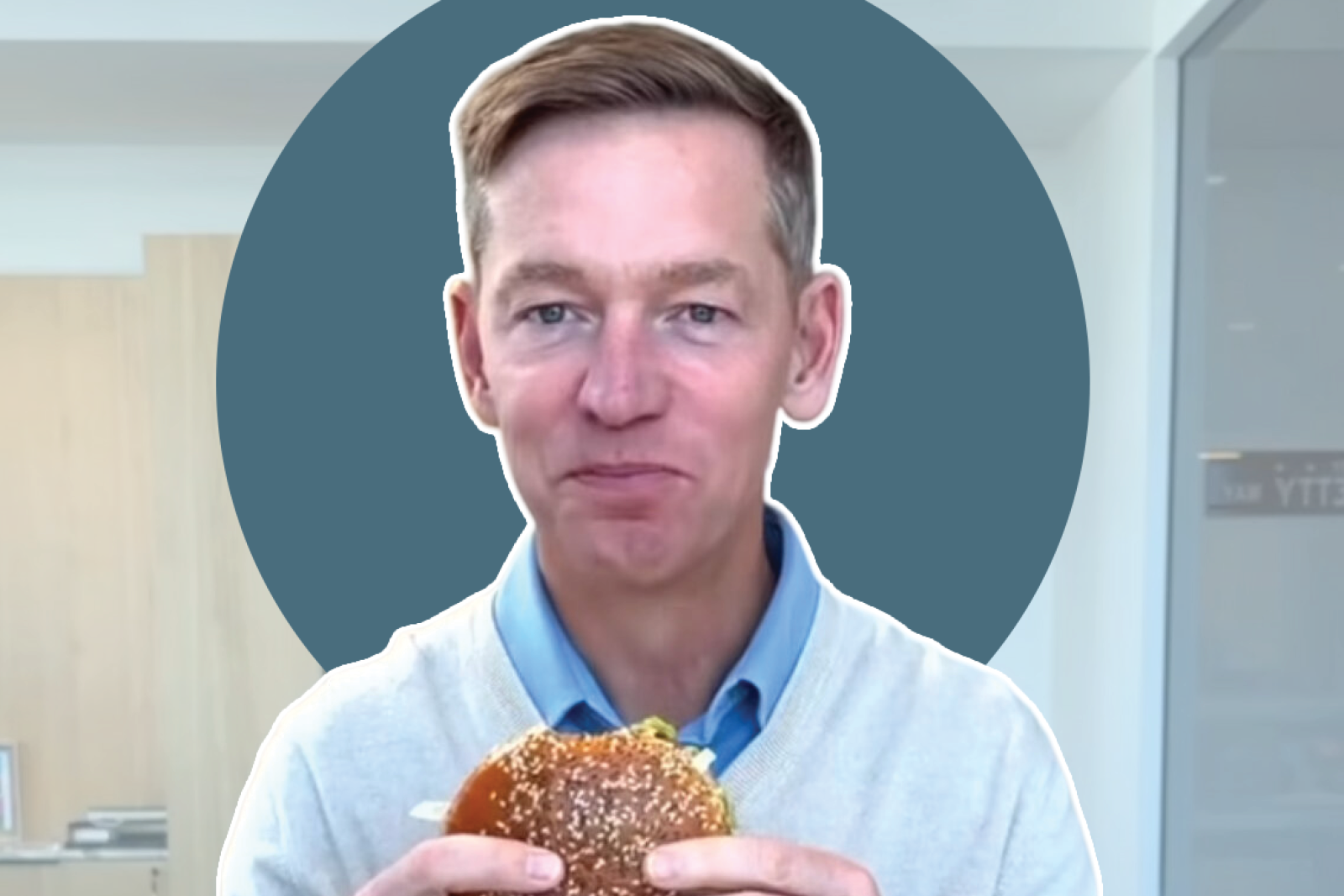
Last week, the internet had a field day with McDonald’s CEO Chris Kempczinski. In a promotional video meant to hype the chain’s new Big Arch burger, Kempczinski sat in his office, unwrapped the sandwich, praised it as a “product,” and took what can only be described as the most cautious nibble in fast food history. Within days, the clip had racked up nearly 11 million views on Instagram — not because people loved it, but because it felt off. Stiff. Corporate. Disconnected from the very brand he leads.
Burger King and Wendy’s pounced, posting their own executives gleefully devouring burgers on camera. The memes were relentless. And yet, here’s the twist: McDonald’s Big Arch sold above expectations. Kempczinski’s Instagram following jumped 30%. The internet’s roast accidentally became one of the most effective product launches of the year.
The lesson isn’t that the video was a disaster. The lesson is that it mattered at all — and that if Kempczinski had a more polished, authentic personal brand, it could have been a slam dunk instead of a punchline. In today’s landscape, a CEO’s public presence is no longer a nice-to-have. It’s a core business asset.
People Buy from People, Not Logos
There’s a reason you trust a friend’s restaurant recommendation more than a billboard. Humans are wired to connect with other humans — and that instinct doesn’t disappear when someone is making a purchasing decision.
The data backs this up in a big way. According to recent research, 65% of consumers say the behavior of a brand’s CEO and employees directly influences their decision to buy — and 70% feel more connected to a brand when the CEO is active on social media. Think about that for a second. Nearly three-quarters of your potential customers are forming opinions about your company based on how visible and human your leadership appears online.
And it goes deeper than engagement. 81% of consumers need to trust a brand before they’ll even consider buying from it. Trust isn’t built through ad campaigns alone — it’s built through consistent, authentic human presence. When a CEO shows up regularly, communicates genuinely, and gives people a face to connect with, they’re not just growing a following. They’re building the foundation of commercial trust at scale.
The C-Suite Is Now a Content Studio
For a long time, executive communications meant press releases, shareholder letters, and the occasional conference keynote. That era is over.
Today, executives who lead the most respected companies are also some of the most active voices on LinkedIn, Instagram, and beyond. They’re sharing leadership lessons, behind-the-scenes moments, industry takes, and yes — sometimes taste-testing their own products. The corner office has quietly become a content studio.
Kempczinski himself is a useful example here. Fortune noted that he has maintained an active LinkedIn presence since 2020, growing to over 168,000 followers, and even earned a Shorty Award in 2025 for demonstrating how authentic leadership content can build community. His stumble with the Big Arch video happened precisely because he’s been in the game long enough that people had expectations — and the video broke the spell of authenticity he’d worked years to cultivate.
The executives who are getting this right understand something fundamental: 44% of a company’s market value is tied directly to the CEO’s personal brand strength and reputation. That’s not a soft metric. That’s shareholder value.
Authenticity Isn’t Optional Anymore
One of the most consistent findings across consumer research right now is that authenticity has become non-negotiable. It’s not a trend — it’s a baseline expectation.
86% of consumers say authenticity in personal branding influences which brands they support. Meanwhile, 74% of consumers say CEO engagement on social issues makes a company feel more authentic. Audiences today — particularly Millennials and Gen Z, who now make up the majority of global digital buyers — are remarkably good at sniffing out what’s fake. They can tell the difference between a CEO who genuinely loves their company’s product and one who’s been coached to say “product” three times in thirty seconds.
This is what made the McDonald’s moment so viral. It wasn’t mean-spirited — it was a collective recognition of the gap between polished corporate performance and genuine human connection. When audiences sense that gap, it becomes a story. When your personal brand is authentic and consistent, that gap never opens.
And authenticity pays off in real, measurable ways. Companies with high trust ratings outperform their peers by 20% in cumulative shareholder return, according to a longitudinal study by PwC and Wharton Business School. Trust is a financial asset, not just a communications objective.
Thought Leadership Builds Business, Not Just Reputation
Beyond trust and authenticity, a strong executive personal brand positions you — and by extension your company — as the go-to authority in your space. And thought leadership has a direct line to revenue.
99% of buyers say thought leadership influences their decisions. Not some buyers — virtually all of them. And 73% trust thought leadership content more than traditional marketing. In a world where consumers are increasingly skeptical of advertising (only 39% of consumers say they trust ads in 2025), a CEO who consistently shows up with genuine insight and expertise is doing something no paid campaign can replicate.
Think about the executives who have built this kind of presence well. Their names carry weight in their industries. When they speak, people listen — and then they Google the company. A well-built executive personal brand is, in effect, always-on earned media.
The Risk of Doing Nothing
Some executives still assume that staying quiet is the safe play. It isn’t.
In a trust economy, silence looks like hiding. When 71% of global consumers say trust in brands and institutions is a “buy or boycott” factor, ambiguity is a liability. Consumers are actively researching the people behind the companies they buy from. If a Google search of your CEO turns up nothing compelling, that’s not neutral — it’s a missed opportunity that a competitor may be filling.
The McDonald’s story is instructive here too. Kempczinski’s video may have been imperfect, but it got attention, sparked conversation, sold burgers, and grew his platform by 30%. The executives who posted nothing? Nobody’s writing articles about them.
A clumsy personal brand can recover. No personal brand at all is much harder to build in a crisis.
HOW A2L CREATIVE CAN HELP
At A2L Creative, we work with founders, executives, and growing businesses to build social media presences that drive real outcomes. Whether it's your personal brand or your company's, we handle the strategy, the content, and the day-to-day management so you can stay focused on what you do best.
Personal Brand Management For founders, CEOs, and professionals who want to own their space online. Our packages range from establishing a polished, consistent digital presence to full thought leadership positioning, ghostwritten content, deep tone-matching, and the kind of category authority that turns followers into opportunities.
Business Brand Management For companies focused on growth and market share. From consistent organic social for small-to-mid businesses to full-scale, always-on content engines for scaling brands. We build the kind of presence that compounds over time.
Whether you're starting from scratch or leveling up what you've already built, we'd love to talk about what's possible.
Ready to show up online in a way that actually works for your business? Get in touch with A2L Creative today.